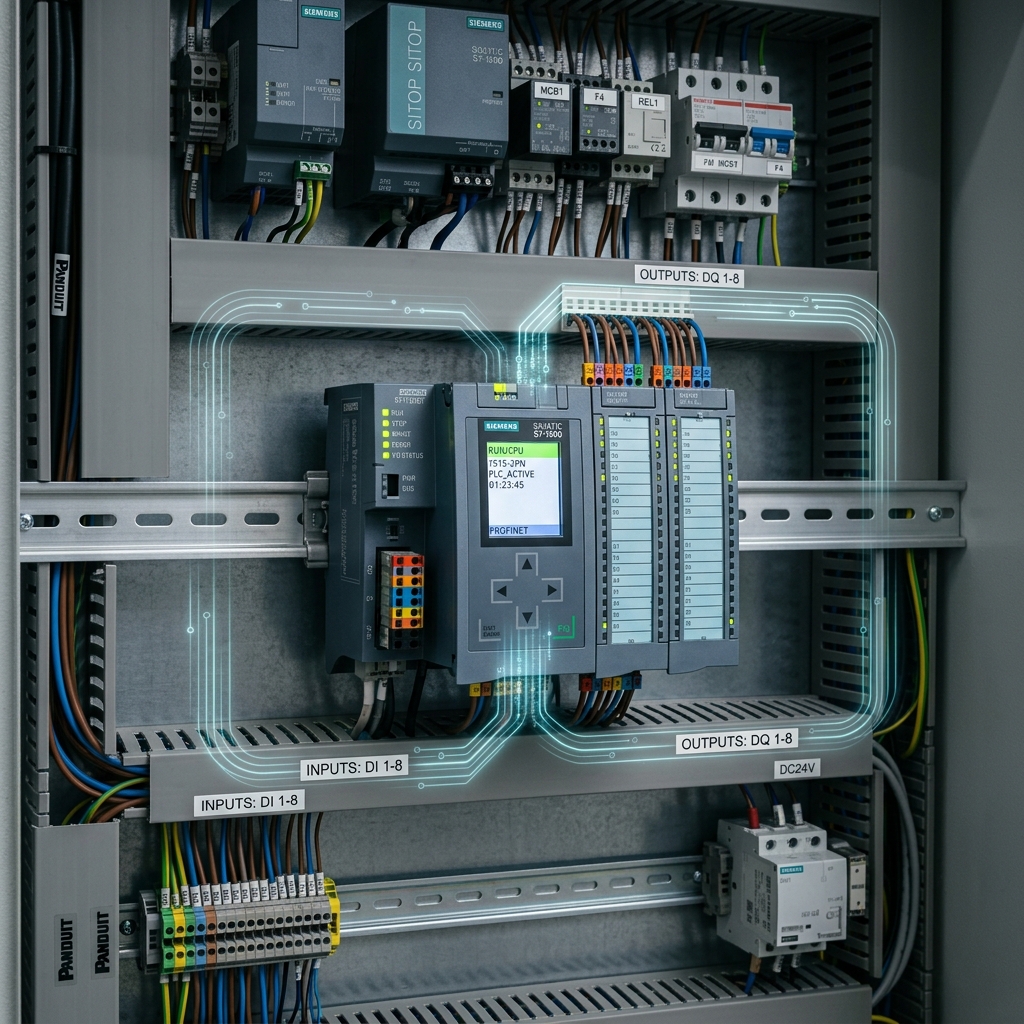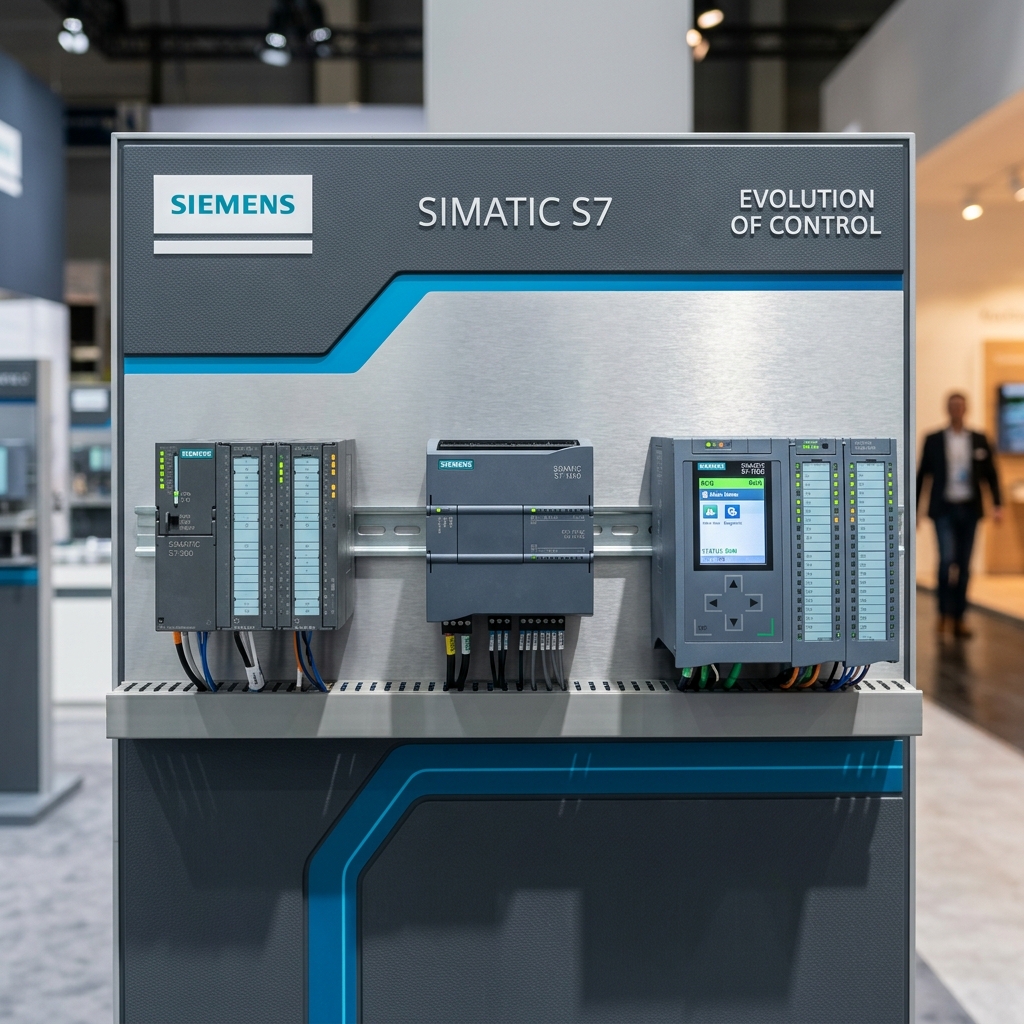
In modern manufacturing, many production lines rely on control systems that are 10, 15, or even 20 years old. When a critical component fails—whether it's a PLC processor, an analog I/O module, or a servo drive—the original manufacturer (like Siemens, Rockwell Automation, or Omron) may have long declared it End-of-Life (EOL), urging you to buy a complete system migration.
However, upgrading an entire production line is an expensive and time-consuming venture. A full upgrade can run into lakhs or crores of rupees and require weeks of programming, testing, and debugging. The alternative is sourcing genuine discontinued parts from reliable secondary market channels.
1. Double-Check Serial & Firmware Versions
When replacing a legacy component, matching the exact manufacturer part number (e.g., 6ES7315-2AH14-0AB0) is only the first step. For older hardware, firmware versions and hardware releases (e.g., E-Stand versions) are critical. A replacement module with a different firmware version might not load the existing program or could cause communication timeouts on legacy fieldbuses like PROFIBUS or DeviceNet.
2. Verify Physical Condition & Seals
Original discontinued parts generally come in three conditions:
- New In Box (NIB): Factory sealed in original packaging. These are highly reliable but command a premium.
- New No Box (NNB): Unused components whose packaging was lost. Inspect terminals for dust or screw marks to verify they were never installed.
- Refurbished / Used: Pulled from decommissioned systems. These must undergo strict cleaning and component replacement (such as capacitors, which degrade over time).
3. Build Partnerships with Global Distributors
Sourcing obsolete parts locally is difficult because distributors maintain thin stock for legacy items. Karthik Engineering bypasses this bottleneck by establishing direct lines to international trade houses, such as Guangzhou Heneng Trading in China. These partners hold huge offshore reserves of EOL components, enabling express procurement and shipping directly to Bangalore.
4. Insist on Testing & Warranties
Never install a legacy component straight from the shipping box. Ensure your supplier runs comprehensive tests—including checking backup batteries, testing power supplies, and cycling the I/O channels. Always demand a warranty of at least 12 months, which matches the warranty of brand-new parts.